FAO Mediterranean Fisheries Report Shows Significant Progress in Sustainability and Stock Recovery
Although fisheries sustainability in the Mediterranean and the Black Sea remains a source of concern, the percentage of overfished stocks has dropped to its lowest level in a decade, a milestone that coincides with aquaculture’s rapid expansion as a major source of aquatic foods in the region, according to a report released today by FAO’s General Fisheries Commission for the Mediterranean (GFCM).
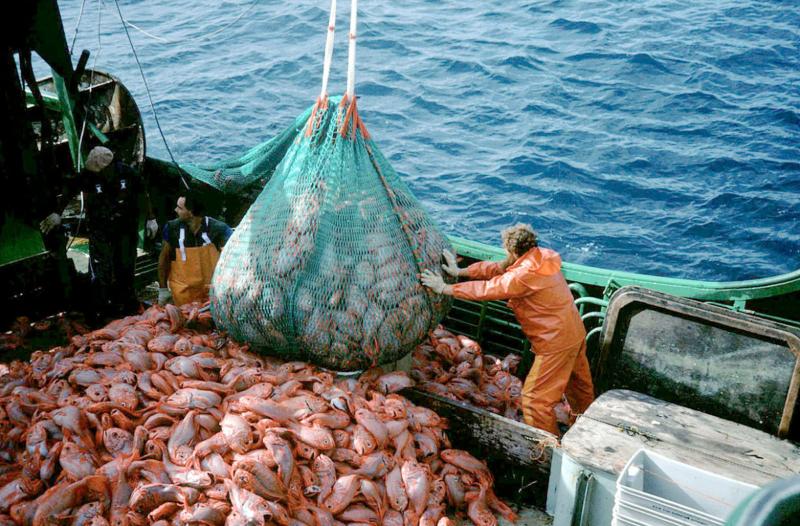
The 2025 State of Mediterranean and Black Sea Fisheries (SoMFi) report, produced with contributions from more than 700 regional experts, demonstrates that strong cooperation and evidence-based management are paying off. Fishing pressure has been cut by half over the past 10 years and key stocks are recovering.
At the same time, marine and brackish aquaculture now accounts for more than 45 percent of aquatic food production, reaching 940 000 tonnes in 2023. Together, fisheries and aquaculture and their value chain produced 2.06 million tonnes of aquatic foods, generated $21.5 billion and supported 1.17 million jobs.
“Stocks are not yet where we would like them to be, but they are beginning to recover thanks to science-driven management action and strong stakeholder engagement, while aquaculture, if done responsibly, is proving it can help meet future demand for aquatic foods,” said Manuel Barange, Assistant Director-General and Director of Fisheries and Aquaculture at the Food and Agriculture Organization of the United Nations (FAO). “Maintaining these efforts will be crucial to conserve ecosystems, strengthen livelihoods and ensure the region’s food security through what we call a Blue Transformation.”
Sustainable management delivers: fishing pressure down 50 percent
The report, the most comprehensive to date, assesses 120 stocks across the Mediterranean and the Black Sea, indicating that between 2013 and 2023, fishing mortality fell sharply while the biomass of assessed commercial species increased by 25 percent, thanks to stronger, evidence-based fisheries management.
Progress is visible in several key commercial species. Red mullet and giant red shrimp show clear reductions in fishing mortality. Species under specific management plans show a larger than average recovery: common sole in the Adriatic has seen a 42 percent drop in fishing mortality and a 64 percent rise in biomass since 2019; turbot in the Black Sea has shown an 86 percent reduction in fishing mortality and a 310 percent increase in biomass since 2013.
However, sardine stocks have been subjected to sustained overexploitation over time and still show signs of biomass depletion. European hake, with high variability across subregions, shows modest signs of biomass recovery despite a 38 percent decrease in fishing mortality since 2015.
While insufficient, these improvements follow a decade of accelerated action by GFCM Members, who since 2013 have adopted 11 management plans, established 11 fisheries restricted areas, and launched 18 research programmes and pilot studies to inform decision-making.
“These results build on regional commitments such as the MedFish4Ever and the Sofia Declarations, and reflect countries’ strong commitment to sustainability,” said Milena Mihaylova, Head of Unit for Fisheries Management in the Mediterranean and Black Sea at the European Commission. “But we cannot assume the work is done. Greater collaboration and continuous action are still needed to ensure long-term sustainability, also at the social and economic levels.”
Despite this progress, 52 percent of assessed stocks in the region remain overfished. This is a major improvement from a decade ago, when 87 percent of stocks were overfished, but still too high for a healthy marine ecosystem. Other challenges also persist, including enhancing compliance with adopted measures, an ageing workforce and unequal profitability, along with discards and incidental catches of vulnerable species, particularly in identified hot spots across the region.
Aquaculture driving growth and innovation
For the first time, this edition of SoMFi provides a detailed overview of aquaculture in the region, showing a fast-expanding sector. When freshwater production is included, aquaculture generates $9.3 billion and produces nearly 3 million tonnes of aquatic food. Marine and brackish water aquaculture alone is worth $5.2 billion, directly employing 113 000 people.
Production is highly concentrated in a small number of species: just 11 account for 99 percent of total output, led by gilthead seabream (34.5 percent) and European seabass (29.7 percent).
Similarly, only eight countries produce 95.5 percent of the region’s farmed aquatic food, with Türkiye (400 000 tonnes), Egypt (147 000 tonnes) and Greece (139 000 tonnes) in the lead. As a result, aquaculture has become the region’s fastest-expanding source of aquatic food and a growing pillar of food security and coastal livelihoods.
“As aquaculture continues to grow, a coordinated approach is essential to ensure that the sector remains sustainable, productive, competitive and profitable. At the same time, it should preserve ecological services, ensure animal welfare and contribute to inclusive socioeconomic development in coastal communities,” said Ahmet Seremed, Chairman of the Board of the Central Union of Aquaculture Producers in Türkiye.
Yet, significant challenges persist. The aquaculture sector should reduce its environmental impacts, ensure appropriate animal health and biosecurity practices, while navigating fragmented and complex regulations and fostering its social acceptability.
Meeting future demand
The report notes that the demand for aquatic foods in the region is expected to rise due to growing populations and changing consumer preferences. To ensure that everyone has access to healthy aquatic foods, while keeping pace with consumption trends, the report estimates that production will need to increase by 14-29 percent by 2050, to allow all countries to maintain current per capita consumption rates in the region.
“Aquatic foods, fishers and fish farmers have always played a key role in the region’s coastal communities,” said Miguel Bernal, Executive Secretary of the GFCM. “We need to make sure they continue to do so in the future, through cooperation and effective management.”
About the report
Produced every two years, SoMFi draws on official data from GFCM Members and the latest scientific assessments. It serves as a key reference for policymakers, tracking the state of the region’s stocks, the performance of its fleets and farms, and progress toward sustainability goals.
Source: Access Agric