According to the 2022 Ghana Demographic and Health Survey (GDHS), only 12.7 percent of women in Ghana own farmland, either solely or jointly, compared to 24.7 percent of men.
This reveals not only a major gender gap in land ownership but also highlights the challenges facing women, particularly in rural communities.
Despite the Land Act, 2020 (Act 1036) which made provision for comprehensive regulations on sustainable land administration, secure tenure and improved governance, efforts to protect women’s land rights, customary and land tenure systems, especially in Northern Ghana, still remain a significant barrier, which is often characterized by limited enforcement and weak community engagement.
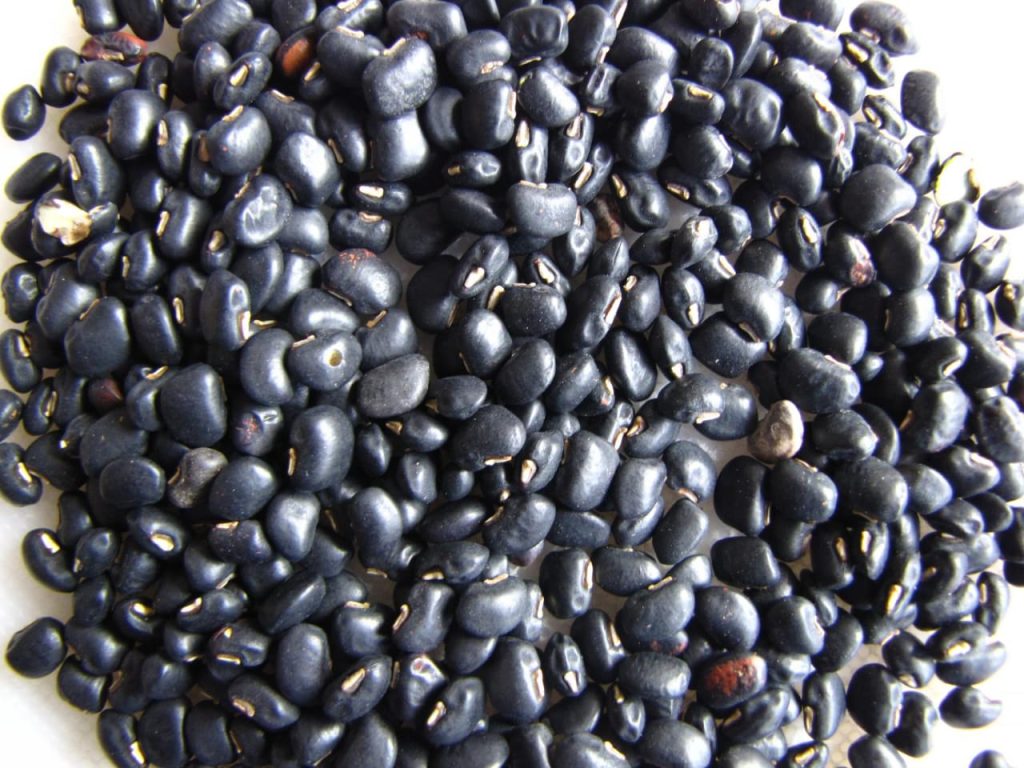
Gender Disparities in Land Ownership in Ghana and Food Security.
In an interview with the Ghana News Agency (GNA), Hajia Hawa Musah, Northern Regional Director of the Ministry of Food and Agriculture (MOFA), said the issues of women access to fertile farmlands, especially in Northern Ghana, was not a respecter of statuses of women in society.
She explained that the issue about women having access to farmlands in northern Ghana is systematic and required more than just formulation and implementation of policies and programmes, and said it required incorporating strategic enforcement mechanisms that enhanced inclusivity in compliance.
“Even with my level of education and exposure, I still face the same challenge, some community leaders believe that as a woman, I should not be engaged in farming. You can not blame them entirely because that is their orientation, that is why it is very important for all of us to advocate women’s rights to farmland”.
A New Dawn
For years, women like Mohammed Mariama, a cowpea farmer at Nyankpala in the Tolon District of the Northern Region, the dream of having her own land and cultivating her own crop has remained a mirage.
Madam Mariama told the Ghana News Agency (GNA) her struggles in cowpea cultivation ranged from access to fertile land, credit, high pesticide costs, and low yields due to the Maruca vitrata pod borer pest.
“Because of these challenges my husband was not motivated to give me land for cowpea cultivation, he considers it as waste of resources and time”.
The scientific breakthrough
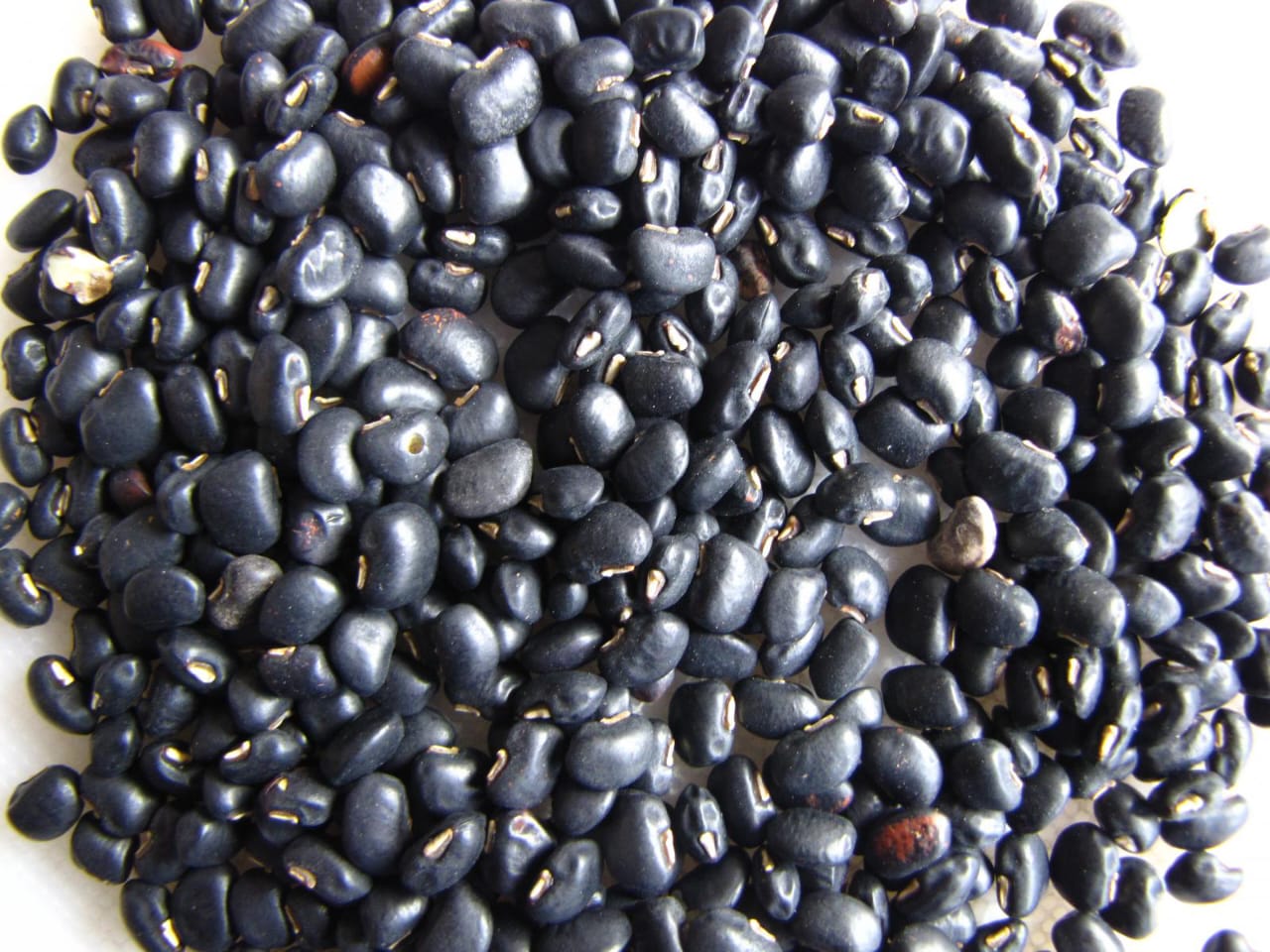
In July 2024, Ghana officially released the Pod Borer Resistant (PBR) cowpea, locally branded “Songotra-T”, developed by the Council for Scientific and Industrial Research – Savanna Agricultural Research Institute (CSIR-SARI) and partners.
Genetically modified to resist the Maruca pest, this new variety is changing perceptions of women farmers. With yields of up to 2,534 kg per hectare, that is more than five times the national average of 483 kg, It is helping women farmers gain economic independence and respect.
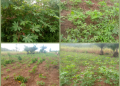
For Mohammed Mariama, her husband willingly gave her two acres of farmland to cultivate cowpea this year because of the impressive yield of PBR variety she harvested during the last farming season.
Growing Momentum
Adoption of the PBR cowpea is spreading like wildfire beyond Tolon District. A GNA checks in Sagnarigu and Savelugu Municipality confirmed more women cultivating the PBR variety as a source of livelihood.
“I used to beg for land to grow cowpea, but after piloting the PBR variety last year, and seeing the impressive yield, my husband gave me more land this year, because the proceeds were helpful to the family” Amina Alhassan, a cowpea farmer in the Savelugu Municipality, attested.
For Amina, the change was profound, “I spray less. I spend less. I get more. That gives me the confidence to persevere”.
A Scientific Breakthrough with a Social Ripple
Dr. Jerry Nboyine, Principal Investigator for the PBR cowpea project at CSIR-SARI, told GNA the pest resistance reduced pesticide use by up to 80%, lowering both health risks and production costs.
“From our estimation, a farmer can earn up to 400 percent more, as compared to other varieties”.
But Dr Nboyine believes the biggest change is how the seed is redefining women’s roles in agriculture.
Mr Abdul-Ganiyu, an Agricultural Extension Officer in Tolon District, called the variety “tool for empowerment”:
“This seed has become a game changer among women smallholder farmers. Their stories may seem small but they are revolutionary, it changes how women see themselves and how the community also sees them.”
Cowpea and Food Security
Alhaji Yussif Amuda Fuseini, Tamale Metropolitan Director of Agriculture, emphasized importance of cowpea for food security and nutrition, especially in rural areas where women are often the primary caregivers.
“This seed does not just survive, it thrives in even harsh weather conditions”, and noted some women are now processing surplus cowpea into snacks, flour, and other products for sale, creating new income streams.
“The PBR cowpea is not just climate smart variety, but an economic lifeline,” he added.
Challenges and Recommendations
Despite its success, the PBR cowpea faces challenges, including uneven distribution, especially in remote areas, where some women still lack access to certified seeds and accurate information.
Similarly, some traditional leaders remain unaware of its potential, to unlock the full potential of the PBR variety.
The following below are therefore some suggested recommendations for consideration in ensuring that lands are made available to more women to venture into producing the PBR variety of the cowpea
First, It is important to scale up certified seed production and distribution, prioritizing underserved women.
Secondly, since cowpea is mostly cultivated by women farmers, it is critical to train more women as peer educators and agro-dealers to encourage more women to embrace the variety to help minimise issues of hunger and malnutrition in households.
Again, engaging traditional leaders and local assemblies on the provisions of the Land Act, 2020 (Act 1036) must be prioritised to promote gender-inclusive and sustainable land administration.
Besides, government must collaborate with other relevant stakeholders, including the Research and Technical Institutions such as CSIR -SARI, the International Farmer Development Centre and other farmer – based organizations like local cowpea – growing farmer cooperatives and unions to develop rural value chains for cowpea cultivation, processing, storage, and marketing.
Last and not least, it is important to note that as women plant and harvest with pride, they are not just growing food, they are cultivating respect, leadership skills, gaining opportunities and preserving their dignity in a country where agriculture is both a livelihood and a legacy.
Source: Access Agric