Ghana Cocoa Board (COCOBOD) will this month float commercial papers and bonds on the local market to raise funds to finance its operations, in a remarkable shift from the syndicated loan regime.
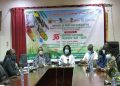
The Chief Executive Officer (CEO) of COCOBOD, Dr Randy Abbey, speaking at a media sensitisation programme on the new Ghana COCOBOD Bill, 2026, last Wednesday, said the company would float 270-day commercial bonds to finance the crop for the next five years.
He said part of the proceeds from the bonds would be used to service outstanding debts, some of which required COCOBOD to pay billions of cedis annually over the next three years. Dr Abbey added that the new financing model had become necessary for the board in the wake of the company’s recent financial challenges.
He said currently, the bond market specialists and the transaction advisors were meeting on the subject to execute the new regime.
“We need to raise the money this month.
We are hopeful that we will be able to raise the money and have an enduring funding policy for cocoa,” the COCOBOD CEO emphasised. “These 270-day commercial notes will be what we will use, so we are raising the money domestically,” he further stated, adding that local pension funds alone were in excess of GH¢100 million.
He said the government believed there was sufficient liquidity to successfully raise about GH¢16 billion every year.
“So, what we are doing is that if, for example, we need GH¢26 billion to purchase the crop for a time, we don’t intend to go for GH¢26 billion. We intend to go for half the amount, so let’s say GH¢13 billion,” the COCOBOD CEO said.
Context
For more than 30 years, COCOBOD relied heavily on syndicated loans to finance its activities, particularly the purchasing of cocoa beans from farmers. The local economic crisis in 2023, which led to the Domestic Debt Exchange Programme (DDEP), eventually shut Ghana out of the international bond market. It stripped the government of access to syndicated loans for the first time in COCOBOD’s history and affected the government’s cocoa bills obligations, with the payment of cocoa bonds also renegotiated and deferred in a manner similar to other bonds under the DDEP.
The deferred debt on cocoa bills means COCOBOD has to pay GH¢26 billion every year for 2026, 2027 and 2028, which adds to the strain on the company’s finances.
“Instead of taking GH¢26 billion and paying interest on GH¢26 billion, we will take, let’s say, GH¢13 billion, turn it around twice within those 270 days, and then pay it back. This is how we intend to fund the crop,” Dr Abbey said.

COCOBOD floats local bonds – Targets GH¢16bn annually to finance cocoa purchases
Michael Quaye Aug – 10 – 2026 , 12:285 minutes read
Ghana Cocoa Board (COCOBOD) will this month float commercial papers and bonds on the local market to raise funds to finance its operations, in a remarkable shift from the syndicated loan regime.
Ghana news coverage
The Chief Executive Officer (CEO) of COCOBOD, Dr Randy Abbey, speaking at a media sensitisation programme on the new Ghana COCOBOD Bill, 2026, last Wednesday, said the company would float 270-day commercial bonds to finance the crop for the next five years.
https://googleads.g.doubleclick.net/pagead/ads?gdpr=0&us_privacy=1—&gpp_sid=-1&client=ca-pub-1220784161199635&output=html&h=280&num_ads=1&adk=4112030392&adf=889534509&abgtt=6&w=670&fwrn=4&fwrnh=100&lmt=1786450642&rafmt=1&armr=3&sem=mc&pwprc=5670450581&ad_type=text_image&format=670×280&url=https%3A%2F%2Fwww.graphic.com.gh%2Fnews%2Fgeneral-news%2Fghana-news-cocobod-floats-local-bonds-targets-ghc16bn-annually-to-finance-cocoa-purchases.html&fwr=0&pra=3&rh=168&rw=670&rpe=1&resp_fmts=3&aiof=11&asro=0&aimartd=4&aieuf=1&aicrs=1&fa=27&uach=WyJXaW5kb3dzIiwiMTAuMC4wIiwieDg2IiwiIiwiMTUxLjAuNzkyMi43NyIsbnVsbCwwLG51bGwsIjY0IixbWyJOb3Q9QT9CcmFuZCIsIjk5LjAuMC4wIl0sWyJHb29nbGUgQ2hyb21lIiwiMTUxLjAuNzkyMi43NyJdLFsiQ2hyb21pdW0iLCIxNTEuMC43OTIyLjc3Il1dLDBd&dt=1786451093474&bpp=2&bdt=4099&idt=2&shv=r20260810&mjsv=m202608060101&ptt=9&saldr=aa&abxe=1&cookie=ID%3Daa2e343a9dbd8b26%3AT%3D1775497628%3ART%3D1786451094%3AS%3DALNI_MZTF1AUFa8wylgltuZu2arH6frMsQ&gpic=UID%3D000013bb9b097716%3AT%3D1775497628%3ART%3D1786451094%3AS%3DALNI_MZVSKeMiToMNlPorVefYn2wlripqA&eo_id_str=ID%3D5e5946a1fe5b65d8%3AT%3D1775497628%3ART%3D1786451094%3AS%3DAA-Afjaoa7MYHftST8FQhwmkhCZG&prev_fmts=0x0%2C1265x593%2C670x280&nras=4&correlator=7147451737345&frm=20&pv=1&u_tz=0&u_his=1&u_h=720&u_w=1280&u_ah=680&u_aw=1280&u_cd=24&u_sd=1.5&dmc=8&adx=247&ady=1328&biw=1265&bih=593&scr_x=0&scr_y=0&eid=95396139%2C95397129%2C95399118&oid=2&pvsid=8605481068645617&tmod=118317440&uas=0&nvt=1&fc=1408&brdim=0%2C0%2C0%2C0%2C1280%2C0%2C1280%2C680%2C1280%2C593&vis=1&rsz=%7C%7Cs%7C&abl=NS&fu=128&bc=31&bz=1&pgls=CAA.&ifi=3&uci=a!3&btvi=2&fsb=1&dtd=23573
He said part of the proceeds from the bonds would be used to service outstanding debts, some of which required COCOBOD to pay billions of cedis annually over the next three years.
Dr Abbey added that the new financing model had become necessary for the board in the wake of the company’s recent financial challenges.
https://googleads.g.doubleclick.net/pagead/ads?gdpr=0&us_privacy=1—&gpp_sid=-1&client=ca-pub-1220784161199635&output=html&h=280&num_ads=1&adk=4112030392&adf=4222837996&abgtt=6&w=670&fwrn=4&fwrnh=100&lmt=1786450642&rafmt=1&armr=3&sem=mc&pwprc=5670450581&ad_type=text_image&format=670×280&url=https%3A%2F%2Fwww.graphic.com.gh%2Fnews%2Fgeneral-news%2Fghana-news-cocobod-floats-local-bonds-targets-ghc16bn-annually-to-finance-cocoa-purchases.html&fwr=0&pra=3&rh=168&rw=670&rpe=1&resp_fmts=3&aiof=11&asro=0&aimartd=4&aieuf=1&aicrs=1&fa=27&uach=WyJXaW5kb3dzIiwiMTAuMC4wIiwieDg2IiwiIiwiMTUxLjAuNzkyMi43NyIsbnVsbCwwLG51bGwsIjY0IixbWyJOb3Q9QT9CcmFuZCIsIjk5LjAuMC4wIl0sWyJHb29nbGUgQ2hyb21lIiwiMTUxLjAuNzkyMi43NyJdLFsiQ2hyb21pdW0iLCIxNTEuMC43OTIyLjc3Il1dLDBd&dt=1786451093494&bpp=1&bdt=4119&idt=1&shv=r20260810&mjsv=m202608060101&ptt=9&saldr=aa&abxe=1&cookie=ID%3Daa2e343a9dbd8b26%3AT%3D1775497628%3ART%3D1786451094%3AS%3DALNI_MZTF1AUFa8wylgltuZu2arH6frMsQ&gpic=UID%3D000013bb9b097716%3AT%3D1775497628%3ART%3D1786451094%3AS%3DALNI_MZVSKeMiToMNlPorVefYn2wlripqA&eo_id_str=ID%3D5e5946a1fe5b65d8%3AT%3D1775497628%3ART%3D1786451094%3AS%3DAA-Afjaoa7MYHftST8FQhwmkhCZG&prev_fmts=0x0%2C1265x593%2C670x280%2C670x280&nras=5&correlator=7147451737345&frm=20&pv=1&u_tz=0&u_his=1&u_h=720&u_w=1280&u_ah=680&u_aw=1280&u_cd=24&u_sd=1.5&dmc=8&adx=247&ady=1941&biw=1265&bih=593&scr_x=0&scr_y=0&eid=95396139%2C95397129%2C95399118&oid=2&pvsid=8605481068645617&tmod=118317440&uas=0&nvt=1&fc=1408&brdim=0%2C0%2C0%2C0%2C1280%2C0%2C1280%2C680%2C1280%2C593&vis=1&rsz=%7C%7Cs%7C&abl=NS&fu=128&bc=31&bz=1&pgls=CAA.&ifi=4&uci=a!4&btvi=3&fsb=1&dtd=23569
He said currently, the bond market specialists and the transaction advisors were meeting on the subject to execute the new regime.
“We need to raise the money this month.
We are hopeful that we will be able to raise the money and have an enduring funding policy for cocoa,” the COCOBOD CEO emphasised.

“These 270-day commercial notes will be what we will use, so we are raising the money domestically,” he further stated, adding that local pension funds alone were in excess of GH¢100 million.
https://googleads.g.doubleclick.net/pagead/ads?gdpr=0&us_privacy=1—&gpp_sid=-1&client=ca-pub-1220784161199635&output=html&h=280&num_ads=1&adk=4112030392&adf=1489462948&abgtt=6&w=670&fwrn=4&fwrnh=100&lmt=1786450642&rafmt=1&armr=3&sem=mc&pwprc=5670450581&ad_type=text_image&format=670×280&url=https%3A%2F%2Fwww.graphic.com.gh%2Fnews%2Fgeneral-news%2Fghana-news-cocobod-floats-local-bonds-targets-ghc16bn-annually-to-finance-cocoa-purchases.html&fwr=0&pra=3&rh=168&rw=670&rpe=1&resp_fmts=3&aiof=11&asro=0&aimartd=4&aieuf=1&aicrs=1&fa=27&uach=WyJXaW5kb3dzIiwiMTAuMC4wIiwieDg2IiwiIiwiMTUxLjAuNzkyMi43NyIsbnVsbCwwLG51bGwsIjY0IixbWyJOb3Q9QT9CcmFuZCIsIjk5LjAuMC4wIl0sWyJHb29nbGUgQ2hyb21lIiwiMTUxLjAuNzkyMi43NyJdLFsiQ2hyb21pdW0iLCIxNTEuMC43OTIyLjc3Il1dLDBd&dt=1786451093506&bpp=2&bdt=4131&idt=2&shv=r20260810&mjsv=m202608060101&ptt=9&saldr=aa&abxe=1&cookie=ID%3Daa2e343a9dbd8b26%3AT%3D1775497628%3ART%3D1786451094%3AS%3DALNI_MZTF1AUFa8wylgltuZu2arH6frMsQ&gpic=UID%3D000013bb9b097716%3AT%3D1775497628%3ART%3D1786451094%3AS%3DALNI_MZVSKeMiToMNlPorVefYn2wlripqA&eo_id_str=ID%3D5e5946a1fe5b65d8%3AT%3D1775497628%3ART%3D1786451094%3AS%3DAA-Afjaoa7MYHftST8FQhwmkhCZG&prev_fmts=0x0%2C1265x593%2C670x280%2C670x280%2C670x280&nras=6&correlator=7147451737345&frm=20&pv=1&u_tz=0&u_his=2&u_h=720&u_w=1280&u_ah=680&u_aw=1280&u_cd=24&u_sd=1.5&dmc=8&adx=247&ady=2893&biw=1265&bih=593&scr_x=0&scr_y=527&eid=95396139%2C95397129%2C95399118&oid=2&psts=AOrYGsl1gC5RHsSXUhvNGtA7hEbxrgyepzCbbeOwPaK7UAZup2TFn0HXce2llNM3pUcCC8hfstOV6aoliDRe2FvPmVHOE6XHeOwJa_S3Qx8%2CAOrYGsm9sqirntUu20XCc7J3D54ahxHXDHh4MjVa3cxuHTclroXa9H6GbvsDcojliYUR7i7yD2YrdxCD44dDy8uBYvLlEDL301C2R5bcXYY4UggtjCo%2CAOrYGskxw-Pf_pCMPK7G0ERMAkYWacsioUCZFeQqbb3Iq3wont0n7zGSEN5g8IUBVhWqFq933Imi4Vs6xnljsMbpk7Cic-YQDAFqsVQKrA&pvsid=8605481068645617&tmod=118317440&uas=3&nvt=1&fc=1408&brdim=0%2C0%2C0%2C0%2C1280%2C0%2C1280%2C680%2C1280%2C593&vis=1&rsz=%7C%7Cs%7C&abl=NS&fu=128&bc=31&bz=1&pgls=CAA.&ifi=5&uci=a!5&btvi=4&fsb=1&dtd=52327
He said the government believed there was sufficient liquidity to successfully raise about GH¢16 billion every year.
“So, what we are doing is that if, for example, we need GH¢26 billion to purchase the crop for a time, we don’t intend to go for GH¢26 billion. We intend to go for half the amount, so let’s say GH¢13 billion,” the COCOBOD CEO said.
Context
For more than 30 years, COCOBOD relied heavily on syndicated loans to finance its activities, particularly the purchasing of cocoa beans from farmers.
https://googleads.g.doubleclick.net/pagead/ads?gdpr=0&us_privacy=1—&gpp_sid=-1&client=ca-pub-1220784161199635&output=html&h=280&num_ads=1&adk=4112030392&adf=2325193266&abgtt=6&w=670&fwrn=4&fwrnh=100&lmt=1786450642&rafmt=1&armr=3&sem=mc&pwprc=5670450581&ad_type=text_image&format=670×280&url=https%3A%2F%2Fwww.graphic.com.gh%2Fnews%2Fgeneral-news%2Fghana-news-cocobod-floats-local-bonds-targets-ghc16bn-annually-to-finance-cocoa-purchases.html&fwr=0&pra=3&rh=168&rw=670&rpe=1&resp_fmts=3&aiof=11&asro=0&aimartd=4&aieuf=1&aicrs=1&fa=27&uach=WyJXaW5kb3dzIiwiMTAuMC4wIiwieDg2IiwiIiwiMTUxLjAuNzkyMi43NyIsbnVsbCwwLG51bGwsIjY0IixbWyJOb3Q9QT9CcmFuZCIsIjk5LjAuMC4wIl0sWyJHb29nbGUgQ2hyb21lIiwiMTUxLjAuNzkyMi43NyJdLFsiQ2hyb21pdW0iLCIxNTEuMC43OTIyLjc3Il1dLDBd&dt=1786451093517&bpp=4&bdt=4142&idt=5&shv=r20260810&mjsv=m202608060101&ptt=9&saldr=aa&abxe=1&cookie=ID%3Daa2e343a9dbd8b26%3AT%3D1775497628%3ART%3D1786451094%3AS%3DALNI_MZTF1AUFa8wylgltuZu2arH6frMsQ&gpic=UID%3D000013bb9b097716%3AT%3D1775497628%3ART%3D1786451094%3AS%3DALNI_MZVSKeMiToMNlPorVefYn2wlripqA&eo_id_str=ID%3D5e5946a1fe5b65d8%3AT%3D1775497628%3ART%3D1786451094%3AS%3DAA-Afjaoa7MYHftST8FQhwmkhCZG&prev_fmts=0x0%2C1265x593%2C670x280%2C670x280%2C670x280%2C670x280&nras=7&correlator=7147451737345&frm=20&pv=1&u_tz=0&u_his=2&u_h=720&u_w=1280&u_ah=680&u_aw=1280&u_cd=24&u_sd=1.5&dmc=8&adx=247&ady=3472&biw=1265&bih=593&scr_x=0&scr_y=1106&eid=95396139%2C95397129%2C95399118&oid=2&psts=AOrYGsl1gC5RHsSXUhvNGtA7hEbxrgyepzCbbeOwPaK7UAZup2TFn0HXce2llNM3pUcCC8hfstOV6aoliDRe2FvPmVHOE6XHeOwJa_S3Qx8%2CAOrYGsm9sqirntUu20XCc7J3D54ahxHXDHh4MjVa3cxuHTclroXa9H6GbvsDcojliYUR7i7yD2YrdxCD44dDy8uBYvLlEDL301C2R5bcXYY4UggtjCo%2CAOrYGskxw-Pf_pCMPK7G0ERMAkYWacsioUCZFeQqbb3Iq3wont0n7zGSEN5g8IUBVhWqFq933Imi4Vs6xnljsMbpk7Cic-YQDAFqsVQKrA%2CAOrYGsnD6jOoiuL8IpCxNnNwppp5EW97Znn7FCYR_6bp9eA4gQDTtj_g4jJAybKP2te6ijKqEwXTWkwP5zjXHC7vjEVHC1Tw9R1WGymKhQ&pvsid=8605481068645617&tmod=118317440&uas=3&nvt=1&fc=1408&brdim=0%2C0%2C0%2C0%2C1280%2C0%2C1280%2C680%2C1280%2C593&vis=1&rsz=%7C%7Cs%7C&abl=NS&fu=128&bc=31&bz=1&pgls=CAA.&ifi=6&uci=a!6&btvi=5&fsb=1&dtd=74563
The local economic crisis in 2023, which led to the Domestic Debt Exchange Programme (DDEP), eventually shut Ghana out of the international bond market.
Ghana news coverage
It stripped the government of access to syndicated loans for the first time in COCOBOD’s history and affected the government’s cocoa bills obligations, with the payment of cocoa bonds also renegotiated and deferred in a manner similar to other bonds under the DDEP.
The deferred debt on cocoa bills means COCOBOD has to pay GH¢26 billion every year for 2026, 2027 and 2028, which adds to the strain on the company’s finances.
“Instead of taking GH¢26 billion and paying interest on GH¢26 billion, we will take, let’s say, GH¢13 billion, turn it around twice within those 270 days, and then pay it back. This is how we intend to fund the crop,” Dr Abbey said.
“What we believe will be the right thing to do is to refinance these cocoa bills for a longer time, say, five years.
“That will mean that we will have less pressure. We will not have to find GH¢26 billion every year for the next three years. So, we will then have to pay a smaller amount over five years,” he explained.
While describing the new arrangement as easy and manageable, Dr Abbey said COCOBOD would float the five-year bonds annually from this year to address the GH¢26 billion debt obligation.
“So, we will do one this year, do one in 2027, do one in 2028,” he said.
Funding models
Dr Abbey said floating local commercial bonds in cedi value was one of the two funding models for the cocoa sector.
“The second part will be taken care of by a special purpose vehicle that will aggregate human resources with technical expertise from various sectors to execute this mandate.
“This will be the new funding of the crop. We raise the money domestically. These are cedi-denominated commercial notes and bonds,” Dr Abbey explained.
Source: Graphic Online