UN Report: From FAO Regional Office for Europe and Central Asia
If the people of Europe and Central Asia are to have food on their plates, they must have water security. Moreover, water security is a catalyst for transforming the food and agriculture sectors of the region to become more efficient, inclusive, resilient and sustainable. Therefore, sustainable water management practices are a prerequisite for farmers’ resilience against climate challenges and, thus, for safeguarding food security. This is the central message of the 2024 Regional Overview of Food Security and Nutrition report, released today.
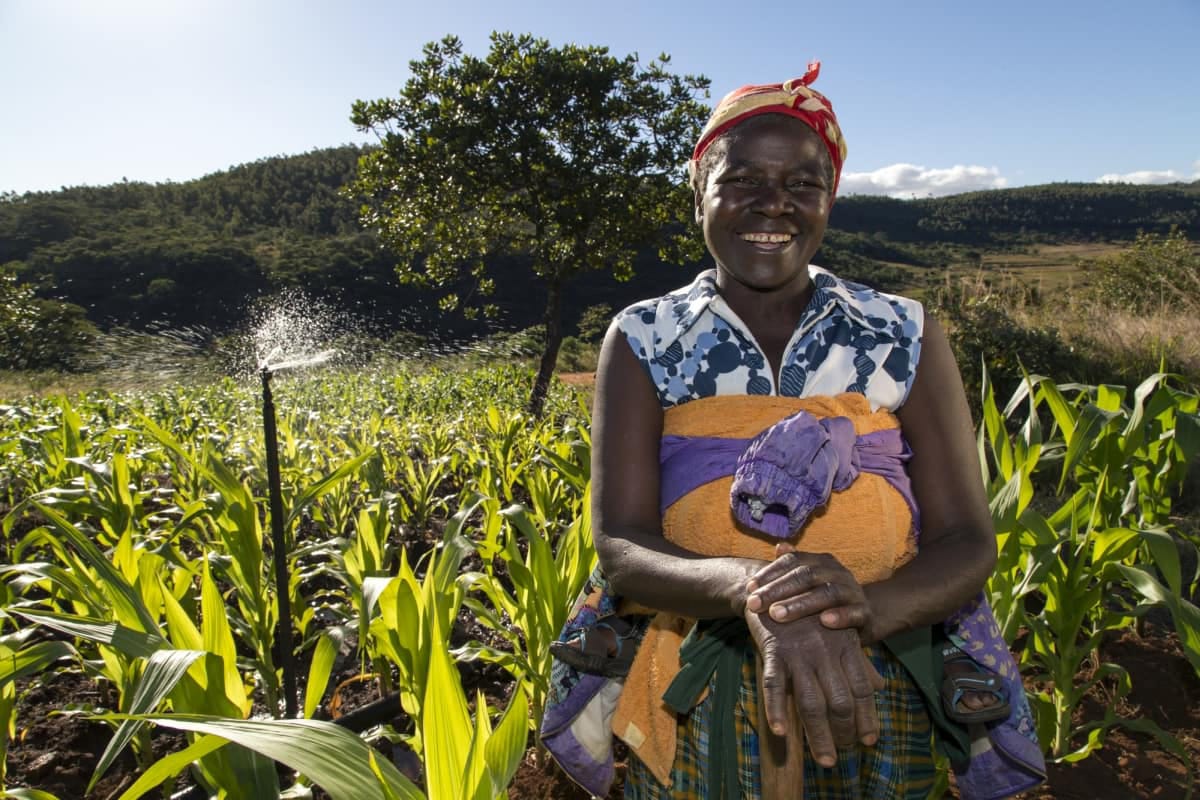
With a geographic focus on Europe and Central Asia, the report measures the region’s progress towards the goal of eliminating hunger, food insecurity and all forms of malnutrition by 2030 and calls for intensified actions to achieve this. Water security is the main theme of the 2024 edition, highlighting the water sector’s interlinkages with agriculture, food security and nutrition.
Seven United Nations entities have joined forces and capacities to prepare the Regional Overview of Food Security and Nutrition in Europe and Central Asia 2024: the Food and Agriculture Organization of the United Nations (FAO), the International Fund for Agricultural Development (IFAD), the United Nations Children’s Fund (UNICEF), the United Nations Development Programme (UNDP), the United Nations Economic Commission for Europe (UNECE), the World Health Organisation (WHO) and the World Meteorological Organisation (WMO).
“By fostering collaboration, we aim to accelerate progress towards a hunger-free, healthier and water-secure region. Our organisations are committed to supporting governments and engaging new partners in achieving policy coherence at national and regional levels and ensuring sustainable solutions to the region’s challenges.”
This joint statement UN Report made in the foreword of the report by Viorel Gutu, FAO Assistant Director-General and Regional Representative; Regina De Dominicis, UNICEF Regional Director for Europe and Central Asia; Kornelia Radics, WMO Regional Office for Europe Director; Dina Saleh, IFAD Regional Director, Near East, North Africa and Europe; Tatiana Molcean, Under-Secretary-General of the United Nations and UNECE Executive Secretary; and Hans Henri P. Kluge, WHO Regional Director for Europe.
Remaining food security challenges
Although Europe and Central Asia continues to have a lower prevalence of hunger and food insecurity than the world at large, several countries still grapple with food insecurity and malnutrition to various extents, depending on income levels, socioeconomic factors and exposure to climate risks and conflicts, including the ongoing war in Ukraine.
While the prevalence of undernourishment worldwide remained at 9.1 percent in 2023, it has been below 2.5 percent since 2005 in the Europe and Central Asia region. In Central Asia specifically, however, about 3 percent of the population, or 2.3 million people, have inadequate dietary energy intake.
The proportion of people lacking regular access to enough safe and nutritious food is somewhat larger. In 2023, about 11.5 percent of the population of Europe and Central Asia – 107.2 million people, about 1.5 million fewer than the year before – experienced either moderate or severe food insecurity. The number of people experiencing severe food insecurity also has declined, from 25.8 million in 2022 to 24.5 million in 2023.
These two indicators – the prevalence of moderate or severe food insecurity in the population, based on the Food Insecurity Experience Scale, and the prevalence of undernourishment – are being used to monitor the world’s progress towards achieving Sustainable Development Goal 2 (Zero Hunger), yet sharing other perspectives and utilizing additional data to ensure that estimates are accurate and up to date.
The region has shown notable improvements during the past two decades in the malnutrition indicators for stunting and wasting among children under five years of age. Also, anaemia affected a significantly lower percentage of women aged 15−49 years in the region (18.8 percent) than the global estimate (29.9 percent).
Europe and Central Asia is facing a growing issue of adult obesity, which affected more than 20 percent of the population in 2022, exceeding the global average of 15.8 percent. Additionally, though the prevalence of overweight among children under five years of age has continued declining, at 7.1 percent it still exceeded the global estimate of 5.6 percent in 2022. In addition, around 64.3 million people in the region – 6.9 percent of the population – could not afford a healthy diet in 2022, though this was far below the global average of 35.4 percent.
Water security for agriculture, food and nutrition
In its consideration of water management, this report goes beyond the global discourse – which often touches only on “water scarcity” – to focus on water security, which includes the availability of water in general but with attention to drinking water, sanitation, hygiene, water-use efficiency, quality and governance. The UN report explores the complex interdependencies between water security and food and nutrition security, with some reinforcing each other and others conflicting.
The UN report identifies key water security challenges throughout the region, including deteriorating water infrastructure, increasing climate variability and change, progressing water pollution, weak water governance, the complex nature of transboundary water cooperation, and gaps in water data availability.
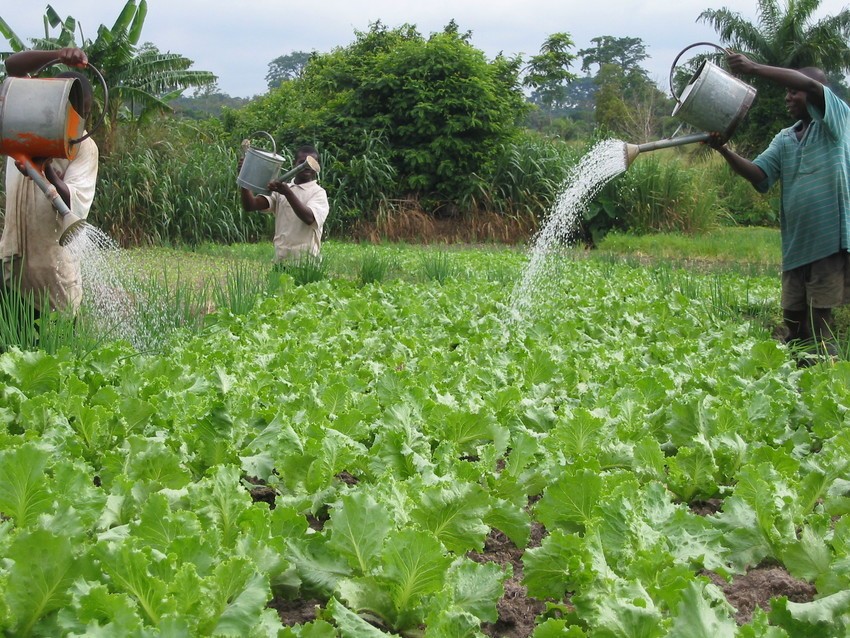
Highly water-stressed countries appear to have a much higher water use for agriculture and lower agricultural water-use efficiency. The demand for more water-intensive animal products (e.g. beef, chicken, eggs and milk) is growing in many developing countries of the region, increasing the overall water requirements for food production.
“The analysis by UN report demonstrates that higher-income countries tend to be more water secure,” said Tamara Nanitashvili, FAO senior policy officer and the main author of the publication. “The report shows that food insecurity in the region is relatively low, even in countries with low water security. However, the lack of access to safe water, sanitation and hygiene infrastructure in rural areas may contribute to relatively modest nutrition outcomes in Central Asia and the Caucasus.”
The UN report suggests that the countries of Europe and Central Asia should be (and already are) developing water strategies tailored to their needs. In this context, support for water management is crucial for countries in transition, particularly in water-scarce regions, as well as investments in water conservation, water recycling and reuse. The report also recommends that countries reduce the water footprint of national agriculture and improve transboundary cooperation on enhanced water management.
Source: Access Agric